ErgoGenics Blog keeps you always in the loop.
Find out here all the best Articles to feed your informations and get in touch with you ! so we will be very happy to receive your comments and interactions with us.

Harmful effects of Ion Exchange Whey.

whey-protein

This process involves separating proteins on the basis of their electrical charge. Hydrochloric acid and sodium hydroxide are the chemical reagents normally used to achieve this. The electrical charge on the proteins attaches them to resins in the reaction vessel. Obviously, these reagents damage pH-sensitive fractions and denature some amino acids. It becomes clear that we can say goodbye to glycomacropeptides, the immunoglobulins, lactoferrin, the growth factors, and a big percentage of the alpha-lactalbumin content. Cysteine and methionine will also be denatured (lost).

If some fractions have been eliminated or reduced, the resultant shift in the balance will mean that other fractions represent a higher percentage of the material. Beta-lactoglobulin, a reasonably stable fraction, can account for up to 75% of the fractions present in ion-exchange material.

Is there a problem with this? Yes, beta-lactoglobulin can cause severe allergic reactions in humans. This fraction, not found in human milk, has even been responsible for the deaths of several individuals over the past ten years.

Another damaging factor with this type of processing is that it is known to form lysinoalanine, a bonded amino acid compound that results in losses of the following amino acids:

Cysteine (73-77%)
Threonine (35-45%)
Serine (18-30%)
Lysine (19-20%)

High amounts of lysinoalanine can be found in ion-exchange whey and may produce adverse effects on growth, protein digestibility, protein quality, and mineral bioavailability and digestibility.

Why did this material ever become popular? Heavy marketing from the dairy companies is the answer, but then you have to ask yourself why they developed it in the first place. Before ion-exchange came along, ultrafiltration was the only practical operation. However, a French patent on this process meant that all companies had to pay to use it. This expensive inconvenience led them to look for alternatives.

When the ion-exchange process was developed, it provided these companies with a lot more freedom. Even when micro-filtration came along, the ion-exchange process still remained popular, as the set-up cost is around one-fifth that of microfiltration.

So the development of ion-exchange whey had little to do with any benefit to the consumer. Long after several nutrition companies became aware of the disadvantages of ion-exchange whey, dairy companies kept on promoting it, as they sat on a mountain of this material.

Listen to Mom: Eat your Fruits and Vegetables

veg

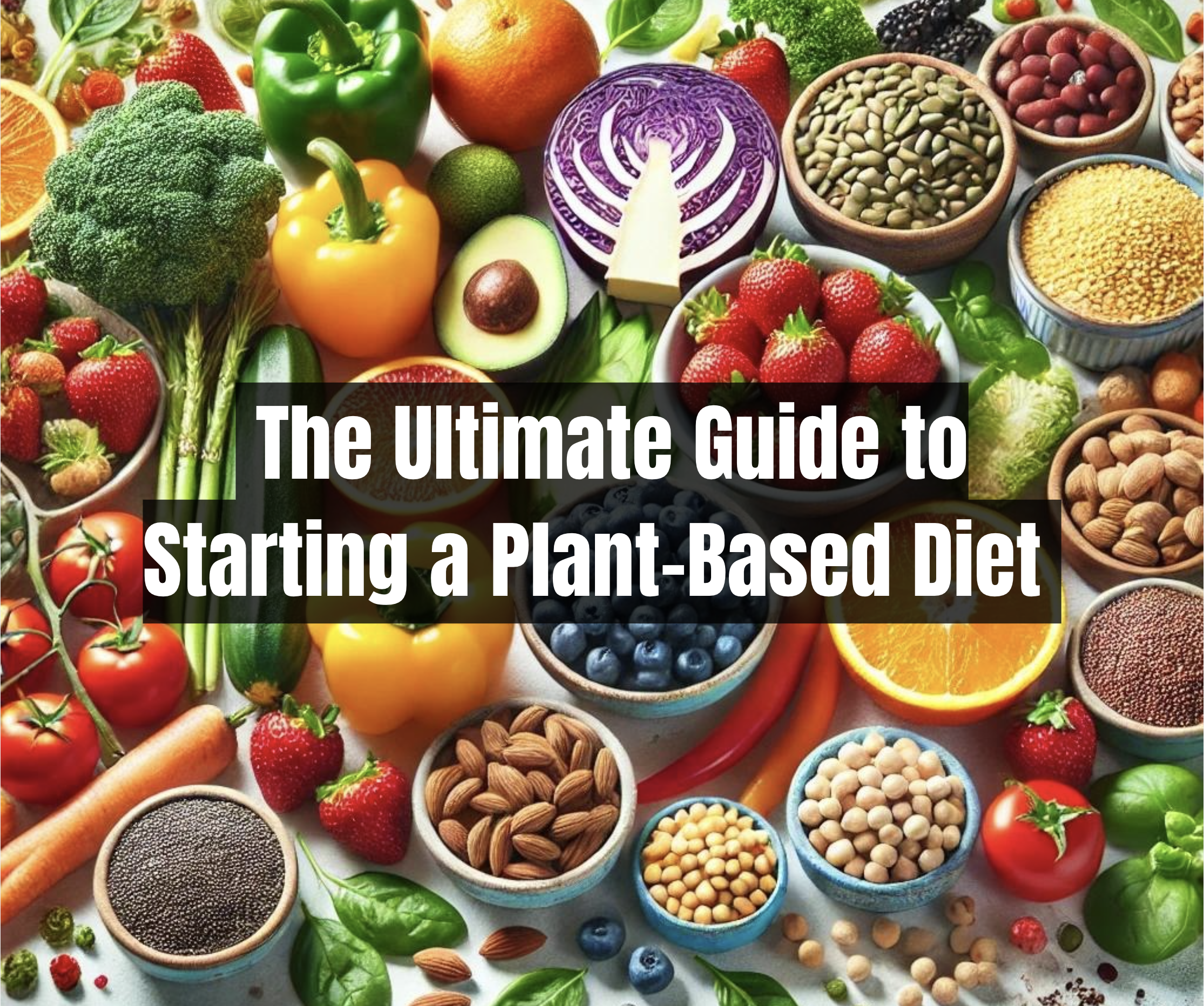
If only eating our fruits and vegetables was as easy as telling jokes about them! Meriden adults eat about 2 servings of fruits and vegetables (that’s combined) a day, well below the 5 to 7 servings of each per day recommended by the USDA. The advice of eating lots fruits and vegetables as part of a healthy diet really hasn’t changed since the first dietary guidelines were released more than 50 years ago. But, for some reason, this simple advice is often the hardest to follow.

We all know the benefits of eating fruits and vegetables:

  • You’ll lower your blood pressure. One study found that people with high blood pressure who eat a diet rich in fruits, vegetables, and low-fat dairy products reduced their systolic blood pressure by 11 points and their diastolic blood pressure by 6 points – as much as medications can achieve.
  • You’ll build a leaner body. Calcium (from kale, broccoli, and spinach), potassium (from Swiss chard, lima beans, yams and avocado), and magnesium (from potatoes, bananas, and spinach) are just three of the essential muscle-building nutrients you can get from vegetables. And the fiber that’s packed into most produce will help you feel fuller, longer – which will keep your hand out of the cookie jar later on.
  • You’ll have fewer sick days. The essential antioxidant vitamins – E (from broccoli and spinach), C (from broccoli, bell peppers, papaya, and kale), and A (from carrots, cantaloupe, and apricots) – will protect you from everything from major illnesses such as heart disease and prevent wrinkles.

One serving of fruit is equal to a medium size banana or 8 large strawberries. One serving of vegetables is 12 baby carrots or 1 large sweet potato. How easy is it to eat 5-7 servings a day? Have a banana in your cereal and a glass of OJ with breakfast. At lunch, pair up your sandwich with a side salad and a piece of fruit. When that 2 p.m. slump hits snack on some raisins or other dried fruit. At dinner, have a cup of vegetable soup and a side of steamed vegetables with your meat. Painless!

According to www.fruitsandveggiesmorematters.org, an even easier way to remember to eat your fruit and veggies is to fill half your plate with fruits and vegetables at every meal. This doesn’t require counting servings. Visit this website for more tips like how to pick and store in-season fruits and vegetables.

How do you increase your daily consumption of fruits and vegetables? Have any tips to share? Leave them in the comments section of this article. Oh, and what is green and goes to a summer camp? A brussels’ scout!

Writer’s note: the benefits listed in this article were taken from the book Eat This, Not That by David Zinczenko. Copies of this book are available at the Meriden Public Library.

Source: http://meriden.patch.com/articles/listen-to-mom-eat-your-fruit-and-vegetables

Whole Greens – Ingredient Showcase – Broccoli

broccoli

Broccoli is a member of the cabbage family, and is closely related to cauliflower. Its cultivation originated in Italy. Broccolo, its Italian name, means “cabbage sprout.” Broccoli’s name is derived from the Latin word brachium, which means branch or arm, a reflection of its tree-like shape that features a compact head of florets attached by small stems to a larger stalk.

What’s New and Beneficial About Broccoli

Broccoli can provide you with some special cholesterol-lowering benefits if you will cook it by steaming. The fiber-related components in broccoli do a better job of binding together with bile acids in your digestive tract when they’ve been steamed. When this binding process takes place, it’s easier for bile acids to be excreted, and the result is a lowering of your cholesterol levels. Raw broccoli still has cholesterol-lowering ability- just not as much.

Broccoli has a strong, positive impact on our body’s detoxification system, and researchers have recently identified one of the key reasons for this detox benefit. Glucoraphanin, gluconasturtiian, and glucobrassicin are 3 glucosinolate phytonutrients found in a special combination in broccoli. This dynamic trio is able to support all steps in body’s detox process, including activation, neutralization, and elimination of unwanted contaminants. Isothiocyanates (ITCs) are the detox-regulating molecules made from broccoli’s glucosinolates, and they help control the detox process at a genetic level.

Broccoli may help us solve our vitamin D deficiency epidemic. When large supplemental doses of vitamin D are needed to offset deficiency, ample supplies of vitamin K and vitamin A help keep our vitamin D metabolism in balance. Broccoli has an unusually strong combination of both vitamin A (in the form of beta-carotene) and vitamin K. For people faced with the need to rebuild vitamin D stores through vitamin D supplements, broccoli may be an ideal food to include in the diet.

Broccoli is a particularly rich source of a flavonoid called kaempferol. Recent research has shown the ability of kaempferol to lessen the impact of allergy-related substances on our body. This kaempferol connection helps to explain the unique anti-inflammatory benefits of broccoli, and it should also open the door to future research on the benefits of broccoli for a hypoallergenic diet.


Ergogenics Energy Breakfast Smoothie!

whey_protein_shake

Try this delicious energy & nutrient packed smoothie recipe:

1 cup of Almond Milk
1 scoop of New Zealand Whey Pro-Series
1 teaspoon of Organic Whole Greens
1/2 a cup of mixed Berries (blueberries, raspberries, strawberries)
1/2 tablespoon of ground Chia Seeds
1 Organic Banana
1/4 Cup of Mediterranean Yogurt

Mix in Blender and Serve!

Caffeine content in Organic Whole Greens?

matcha1

Customer Question:

Answer:
In one 3g serving of Organic Whole Greens there is 4mg of caffeine, which found in the ingredient: Matcha Green tea.

How the caffeine in Matcha is assimilated is very different and a much healthier way then other sources like Coffee and Tea. The caffeine in Matcha binds to the larger catechin molecules, that also act as powerful antioxidants, and is released into the bloodstream slowly over time, as the catechins are broken down and assimilated. The results are ‘time-released’ smaller dosages of caffeine that provide sustained energy for up to 6 to 8 hours. This mechanism also prevents the insulin and adrenalin spikes typical for coffee intake, so you never have to experience the ‘after-low’ that follows when the blood sugar drops.

Potential negative effects are also balanced by the calming influence of the amino acid L-Theanine. The relaxing effects of L-Theanine act antagonistically against the stimulatory effects of caffeine on the nervous system thus smoothing the body’s reaction and leading to an experience of dynamic bliss. The combined effect is a state of mental clarity, calm alertness and sustained energy.

Whole Greens – Ingredient Showcase – Cabbage

cabbage-soup-diet-plan

Cabbage is round in shape with layers of superimposed leaves with the inner leaves often lighter in color than the outer leaves because they are protected from the sunlight. They belong to the Cruciferae family of vegetables along with kale, broccoli, collards and Brussels sprouts.

Health Benefits
Optimize Your Cells’ Detoxification / Cleansing Ability

For about 20 years, we’ve known that many phytonutrients work as antioxidants to disarm free radicals before they can damage DNA, cell membranes and fat-containing molecules such as cholesterol. Now, new research is revealing that phytonutrients in crucifers, such as cabbage, work at a much deeper level. These compounds actually signal our genes to increase production of enzymes involved in detoxification, the cleansing process through which our bodies eliminate harmful compounds.

The phytonutrients in cruciferous vegetables initiate an intricate dance inside our cells in which gene response elements direct and balance the steps among dozens of detoxification enzyme partners, each performing its own protective role in perfect balance with the other dancers. The natural synergy that results optimizes our cells’ ability to disarm and clear free radicals and toxins, including potential carcinogens, which may be why cruciferous vegetables appear to lower our risk of cancer more effectively than any other vegetables or fruits.

Promote Gastrointestinal Health

Recent research has greatly advanced scientists’ understanding of just how Brassica family vegetables such as cabbage, cauliflower, broccoli, kale and Brussels sprouts may help prevent colon cancer. When these vegetables are cut, chewed or digested, a sulfur-containing compound called sinigrin is brought into contact with the enzyme myrosinase, resulting in the release of glucose and breakdown products, including highly reactive compounds called isothiocyanates. Isothiocyanates, which include sulforaphane and indole-3-carbinol, and are not only potent inducers of the liver’s Phase II enzymes, which detoxify carcinogens, but research recently conducted at the Institute for Food Research in the U.K. shows one of these compounds, allyl isothicyanate, also inhibits mitosis (cell division) and stimulates apoptosis (programmed cell death) in human tumor cells.

Promote Women’s Health

Much research has focused on the beneficial phytonutrients in cabbage, particularly its indole-3-carbinole (I3C), sulforaphane, and indoles. These two compounds help activate and stabilize the body’s antioxidant and detoxification mechanisms that dismantle and eliminate cancer-producing substances. I3C has been shown to improve estrogen detoxification and to reduce the incidence of breast cancer. In one small human study, researchers found that after I3C was given for 7 days, the rate at which estrogen was broken down through the liver’s detoxification pathway increased nearly 50%. In addition, recent research is showing that it’s not only how much estrogen a woman has that puts her at risk for breast cancer, but how her estrogen is metabolized.

Peptic Ulcer Treatment

Raw cabbage juice is well documented as being remarkably effective in treating peptic ulcers. In one study, 1 liter of the fresh juice per day, taken in divided doses, resulted in total ulcer healing in an average of 10 days. The high content of glutamine, an amino acid that is the preferred fuel for the cells that line the stomach and small intestine, is likely the reason for cabbage juice’s efficacy in healing ulcers.

Cardiovascular Benefits

Consumption of cruciferous vegetables, such as cabbage, is known to reduce the risk of a number of cancers, especially lung, colon, breast, ovarian and bladder cancer. Now, research reveals that crucifers provide significant cardiovascular benefits as well.